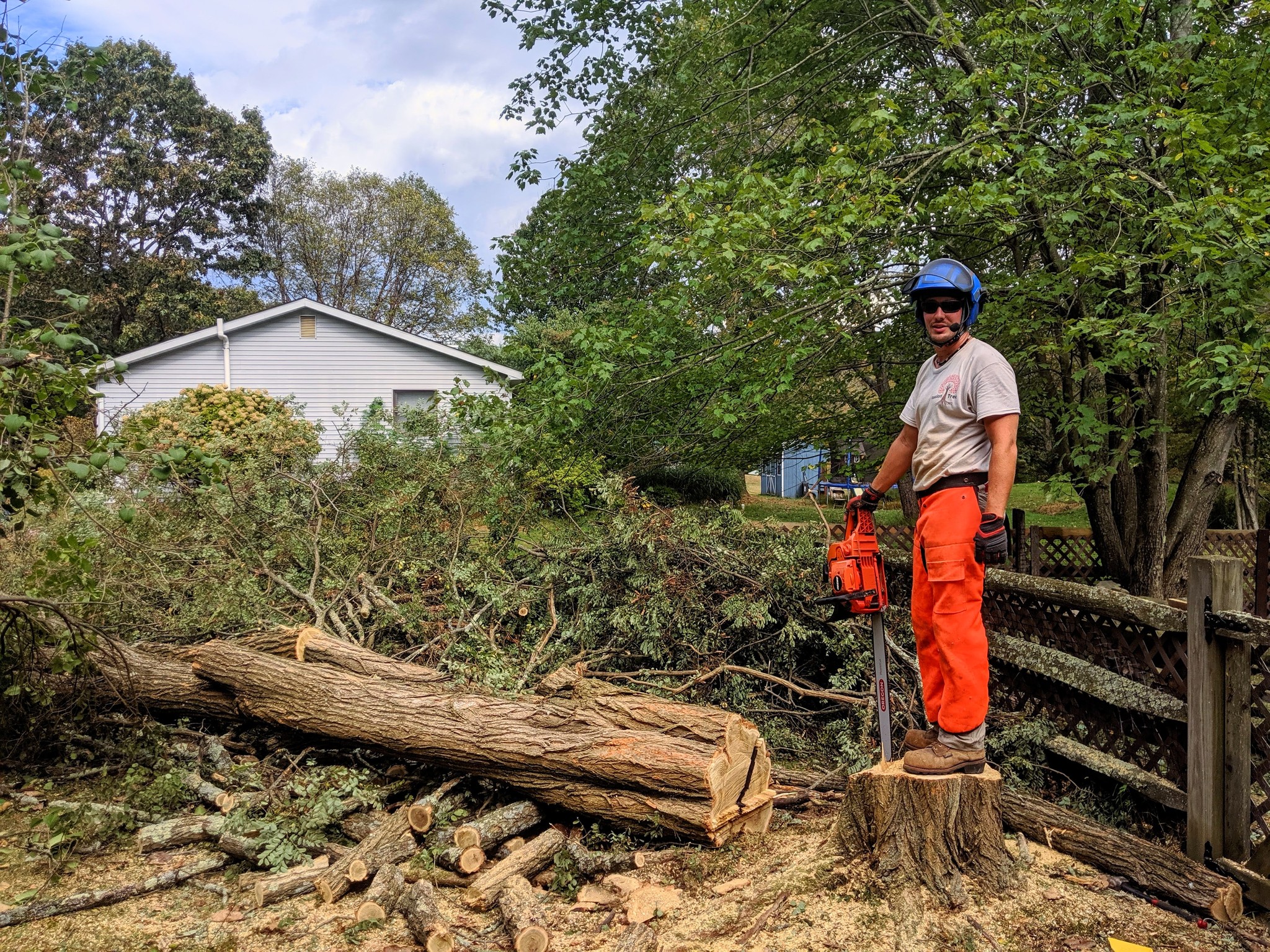
A documented baseline
Clear observations and photographs so everyone starts from the same understanding of the property.

Colorado land & forest consulting
Practical guidance for rangeland, forests, wildfire mitigation, and the places in between.
See the whole property
Understand what matters on your property, what to do first, and how to move forward.
Range Roots connects ecological understanding with practical land management. We assess conditions, organize priorities, and build plans that owners and contractors can put to work.
Our consulting services
One property can hold several ecosystems. Your plan should account for how they work together.
Healthier ground. A workable plan.
Understand your vegetation, soil concerns, and management options. Build a practical path for pasture recovery, native grass establishment, and better stewardship of your acreage.
Explore Rangeland & pasture02Turn concern into a treatment plan.
Translate vegetation concerns or an existing wildfire assessment into a clear work scope. Prioritize fuels management, retained vegetation, debris handling, and long-term maintenance.
Explore Wildfire mitigation planning03Care for the whole stand.
Make informed decisions about forest health, thinning, invasive vegetation, and tree retention. Connect stand observations with realistic management priorities and a plan for implementation.
Explore Forest management04Clear priorities along the corridor.
Document vegetation conditions along access roads, trails, irrigation corridors, and rights of way. Create a consistent framework for maintenance, invasive plant management, and restoration follow-up.
Explore Right of way & corridors05Plan beyond the removal.
Identify the vegetation problem, choose realistic management priorities, and plan what comes next. Connect invasive plant management with native recovery, soil protection, and recurring monitoring.
Explore Invasive species & restoration06Useful observations. Consistent follow-up.
Support land management and restoration projects with vegetation observations, repeat photo points, and clearly documented field records. Build a useful picture of conditions before and after the work.
Explore Ecological field supportThe work, made clear
The goal is a useful plan: grounded in your property, realistic about your resources, and clear enough to guide the next decision.
Let’s talk about your goalsDiscuss the property, what you want to improve, and the questions the project needs to answer. Agree on scope and deliverables.
Observe vegetation, trees, site conditions, access, and management constraints. Record the findings that matter.
Organize management zones, treatment priorities, a seasonal schedule, and a work scope suited to the assignment.
Review completed work, revisit conditions, and adjust priorities through separately scoped monitoring.
More than a walk-through
Your written scope defines the level of detail. A management planning assignment can include:
Clear observations and photographs so everyone starts from the same understanding of the property.
What needs attention first, what can be phased, and how the work supports your management goals.
Defined treatment objectives and access considerations that help you request comparable proposals.
Seasonal timing, repeat observations, and establishment or regrowth checks tailored to the project.
Who we work with
From a horse property outside Longmont to a wooded retreat in the foothills, know what your land needs and which improvements to make first.
Give boards and property managers a consistent basis for budgets, bids, and stewardship decisions across trees, grassland, and natural areas.
Organize observations and maintenance priorities along ditch banks, access routes, trails, and other managed corridors.
Add vegetation, tree-health, and practical implementation support to a restoration, conservation, or consulting assignment with a clearly agreed scope.

About Range Roots
Land and vegetation consulting focused on the next management decision.
Range Roots helps property owners and land managers understand site conditions, organize priorities, and plan work across grassland, forests, and managed corridors.
Assignments can include baseline observations, a written management plan, contractor objectives, and follow-up monitoring. The scope is tailored to the property, the decisions you need to make, and the level of documentation you want.
AssessDocument vegetation concerns and current site conditions.
PlanOrganize practical priorities and a clear work scope.
MonitorRevisit conditions and update the next steps.
Ways to work together
Start with a focused assessment, build a fuller plan, or arrange recurring support. Each assignment is quoted before work begins.
A property visit and written action summary to clarify conditions, priorities, and the next step.
Discuss an assessmentA deeper assessment with management zones, a phased schedule, and practical contractor objectives.
Discuss a planRepeat visits, implementation observations, and seasonal updates to keep the plan useful.
Discuss ongoing supportRooted in the Front Range
Based in Longmont, serving Boulder, Larimer, and western Weld counties. Foothill and other Front Range projects are considered by scope and travel.
Local programs can help with wildfire assessments, small acreage questions, forest stewardship, and weed management. Our field guide puts useful starting points in one place.
Explore the field guideA few useful answers
Range Roots focuses on assessments, written management plans, contractor scopes, and follow-up monitoring. Implementation is scoped separately with suitable contractors. The first conversation establishes the property’s needs and the role Range Roots will take.
The agreed scope sets your deliverables before fieldwork. A baseline visit may include a written action summary and photos. A management plan can add management zones, treatment priorities, a seasonal schedule, and a contractor scope. Monitoring adds repeat observations and progress notes.
Official assessments, certificates, financial awards, and final inspections are handled by Wildfire Partners and its approved providers. Range Roots can help organize vegetation priorities and implementation around an existing assessment. We do not claim program approval or insurance certification.
Pesticide-specific advice and applications are separately scoped against verified licensing and site requirements. Wetland delineations, protected-species surveys, engineering, and formal program plans may require specialist providers. Those requirements are established before accepting the assignment.
Consulting is quoted by scope, acreage, terrain, access, field time, and the level of documentation you need. Larger or technical assignments receive a custom proposal. We agree on the deliverables and fee before the project begins.
Range Roots is based in Longmont and focuses on Boulder, Larimer, and western Weld counties. Our core area includes Longmont, Boulder, Niwot, Lyons, Berthoud, Loveland, Erie, and the Carbon Valley. Foothill and other Front Range assignments are considered by scope and travel.
Let’s talk about your land
Tell us what you manage, where it is, and what you want to improve. A short project brief helps us begin the right conversation.
(720) 704-2892 rangerootslandcare@gmail.comPrefer to start directly? Open our secure request form
Build your project brief
Range Roots consulting inquiry Service: Rangeland & pasture Location: To be discussed Property size: Not sure yet My role: Property owner Timing: Exploring options Goals: I would like to discuss priorities and the right consulting scope.
The brief is prepared in your browser. Open your email app to send it, or copy it into the secure Jobber request form.